






Chronic back pain is more than just a physical ailment; it’s a thief. It steals your ability to play with your kids, focus at work, and enjoy a restful night’s sleep.
When traditional treatments like physical therapy or medication fall short, many fear that invasive surgery is the only remaining option.
However, Non-Surgical Spinal Decompression Therapy offers a high-tech, evidence-based alternative designed to heal the spine from the inside out.
What is Non-Surgical Spinal Decompression?
At its core, this therapy is a specialized type of motorized traction. But don’t confuse it with the old-school “inversion tables” or standard stretching.
Modern spinal decompression uses computer-aided technology to apply force to the spine in a very specific, controlled manner.
The goal is twofold:
- Create Negative Pressure: By gently stretching the spine, the therapy creates a “vacuum effect” (negative intradiscal pressure) within the spinal discs.
- Promote Nutrient Flow: This vacuum effect helps pull bulging or herniated disc material back into place and encourages the flow of nutrient-rich fluids, oxygen, and blood into the disc to facilitate natural healing.
How the Process Works
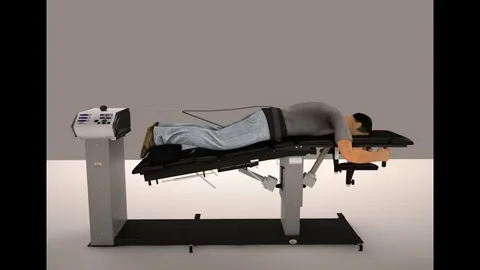
During a session, you remain fully clothed and lie on a specialized decompression table. Depending on whether your pain is in your neck (cervical) or lower back (lumbar), a harness is fitted around your hips or head.
The system’s computer then executes a protocol tailored to your specific condition. Unlike manual traction, which can trigger the body’s natural muscle guarding reflex (where muscles contract to resist the pull), the decompression table bypasses this by using a “logarithmic curve.”
It pulls and relaxes in a rhythmic pattern so subtle that the body remains relaxed, allowing the spine to actually decompress rather than fight back.
Conditions Treated
This therapy is particularly effective for conditions involving disc issues and nerve compression. Common candidates include those suffering from:
- Herniated or Bulging Discs: Where the soft “jelly” inside the disc escapes or pushes outward, pressing on nerves.
- Sciatica: Sharp pain, numbness, or tingling that radiates down the leg.
- Degenerative Disc Disease: Wear and tear on the discs that causes them to lose height and cushioning.
- Spinal Stenosis: A narrowing of the spaces within your spine, which can put pressure on the nerves.
- Facet Syndrome: Inflammation of the small joints in the spine.
The Benefits of a Non-Invasive Approach
The most obvious benefit is the avoidance of surgery. Spinal surgery often involves long recovery times, the risk of infection, and no guarantee of success.
In contrast, non-surgical decompression requires zero downtime. Most patients find the sessions so relaxing that they often fall asleep during treatment.
Furthermore, it addresses the root cause of the pain.
While painkillers mask the symptoms, decompression therapy focuses on structural repair by rehydrating the discs and removing the mechanical pressure on the nervous system.
What to Expect
A typical treatment plan isn’t a “one-and-done” fix. Because the spine takes time to heal and rehydrate, a series of treatments—usually spread over several weeks—is recommended for lasting results.
Many patients begin to feel significant relief within the first few sessions, though completion of the full protocol is essential to ensure the disc remains stable.
Is it Right for You?
While highly effective, it isn’t for everyone. Pregnant women, individuals with advanced osteoporosis, or those with certain metal implants in the spine are generally not candidates.
A thorough evaluation by a wellness professional is the first step to determining if your spine is ready for this technology.

